Dylan’s showreel has used many different filming techniques for his showreel to make it interesting for the viewer so they won’t click off it and for example drone for some of his shots. Throughout Dylan’s showreel he has told the viewers so they would understand it and want to watch it until the end.
Cut Media: Showreel 2019
The soundtrack of Cut Media showreel is really powerful and makes the viewer want to stay to until the end. With the colourful character that Cut Media has used in their 2019 showreel. With the text face they have used they have all stuck with the same font, text size etc.. and it doesn’t make the viewer eyes strain.
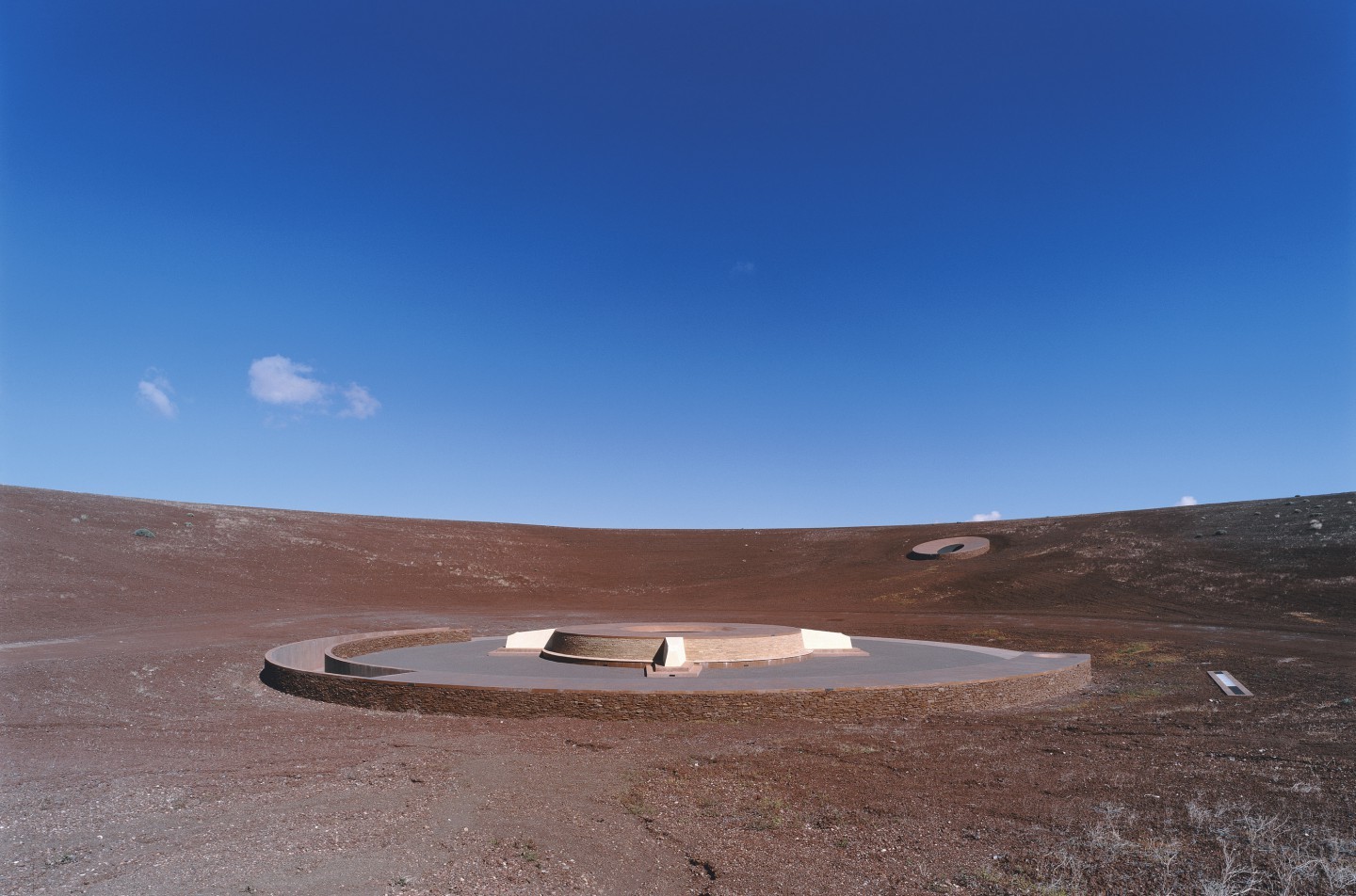
James Turrell in front of Roden Crater at sunset, October 2001
James Turrell is American artist, born in Los Angeles in 1943 to a Quaker mother and a father who was a school administrator. James attended Pomona College, where his studies concentrated on psychology and mathematics. He later received a master’s degree in Art from Claremont Graduate School.
James work has created an expansive body of work that offers profound revelations about perception and the materiality of light. With their refined formal language and quiet, almost reverential atmospheres, his installations celebrate the optical and emotional effects of luminosity.
Turrell is best known for his work in progress, Roden Crater. He acquired an extinct cinder cone volcano located outside Flagstaff, Arizona, in 1979. Since then he has spent decades moving tons of dirt and building tunnels and apertures to turn this crater into a massive naked-eye observatory for experiencing celestial phenomena.
Turrell’s work has also featured in Drake’s video Hotline Bling
Turrell work can be colourful and it really is something that interests me and It could be a idea for me to experiment for this Moving Image Installation
When I was planning for my video game I had loads of ideas of what my video game could be. Firstly what genre of game I was going for this assignment for example I could have made it an action or a simulation game.
With time we had for this video game assignment I think that I underestimated the time it would take for me to do my video game as my ideas kept changing and the tutor kept giving me ideas to improve my game and make it better.
Then it was time to start the design process and narrow down my ideas and I came down to the idea of cats because that was theme I had going though my work in Year 1 assignments.
It was time to move onto Unity once I had my idea it was time to start creating. I had a problem I didn’t know how to use Unity.
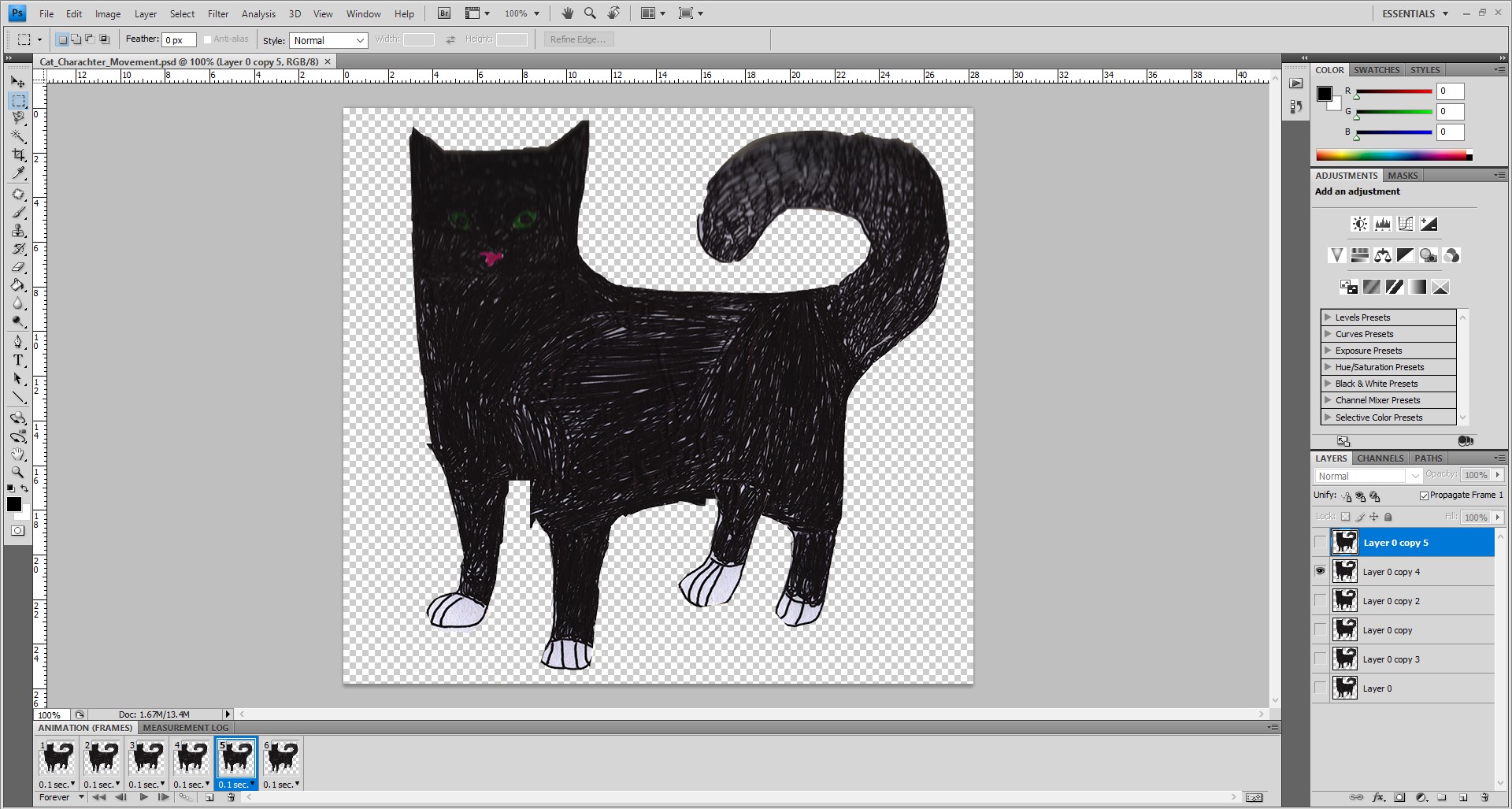
We had a few lessons with the tutor and YouTube tutorials to get our heads around the software. I had my character already created that I scanned onto the computer and then I put it into Photoshop.
I started to think that my cat could be in ice world game but my level wouldn’t make sense when the player is playing it. Why would my cat be around spikes that go up and down in the ground?
I changed my level. Creating a obstacle course that my cat could climb, jump and slide to make it interesting and fun. Coding was one of the frustrating problem for me. Beginning to code my character to move and jump took me while because I kept having problems with my code and I had to keep watching the same tutorial over and over again so I could finally get the code to work properly.
After redesigning It and reanimating a bit. I was thrilled of how my game looked. I still have things that I want to add to my video game. I have learned a lot from this project and I will continue to work on my game to create my game that is perfect for me and my target audience.
In terms of marketing my game, I would definitely make use of my social networks that I created in Social Media assignment in year 1. I have social media followers that can test my game demo and they can give me feedback about my game and any changes that they would like to see in my game.
Overall I thought for the video game assignment it really challenged me thought out this video game assignment because of the amount of time and hard work we put into this video game project. It was a fun experience to make my own video game and I will continue to make video games in the future
With creating new sprites for any type of video game that you are going to create is going to be hard because you need to come up with the ideas of what will work with the game that you want to create.
For example this cat sprite it follows the theme of cats that I have going on with my game.
When I was working on my game design, I find the coding part really interesting and the way it works for my game that I am creating.
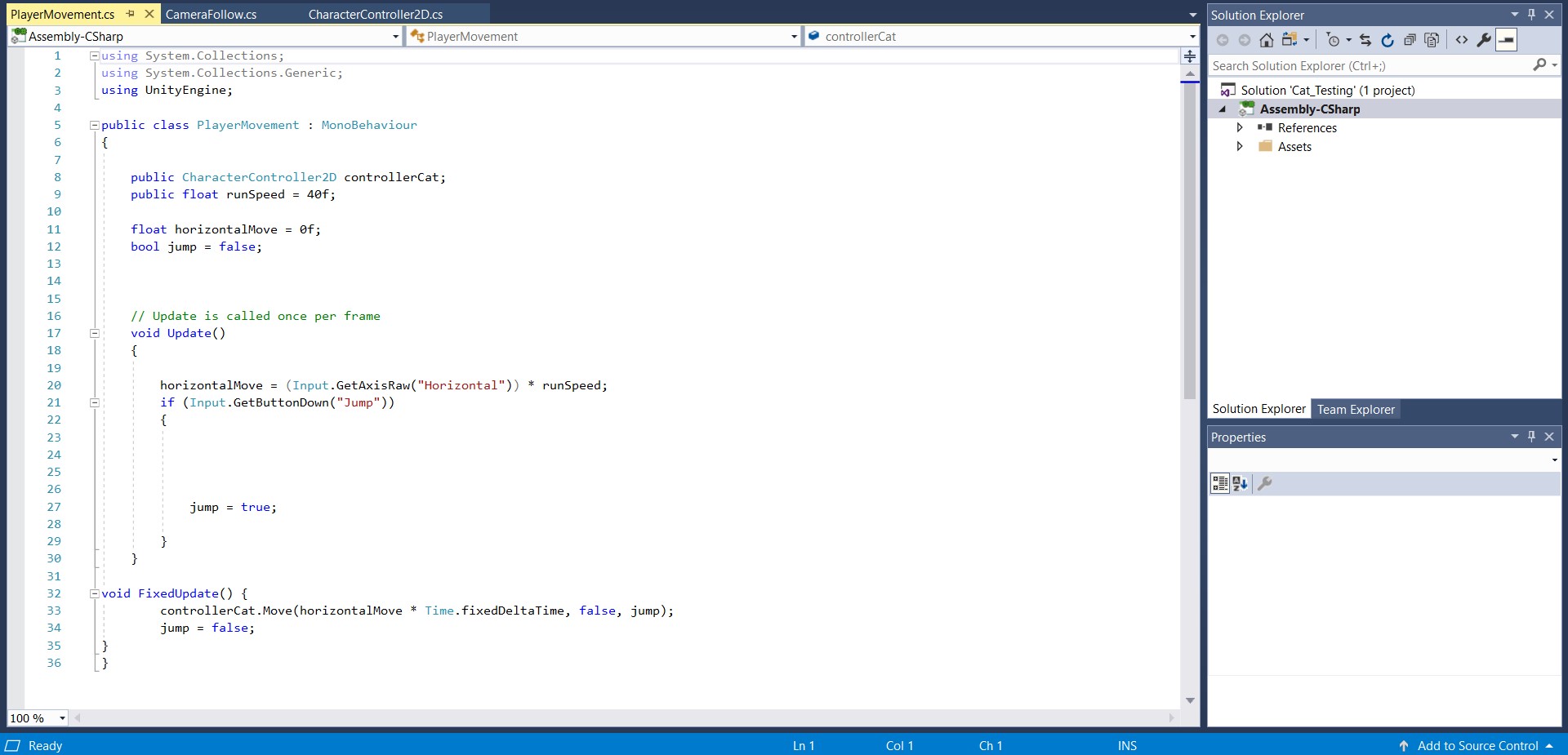
Coding is good practice for me because it can help me code what will happen with the movements of my character that I will create for my video game. Sometimes there might be some errors and a few problems that could happen but they are easy to fix if you know coding
Screenshot of my code from Microsoft Visual Studio
I was following this YouTube tutorial of how to make my 2D character move but I did all of the code right for it but it wasn’t working the first time. It took me a bit of time to work out why the code wasn’t work but It didn’t discourage me to fix it and make it work probably so my 2D character walk and jump etc…
This was the tutorial I was using for the character movement
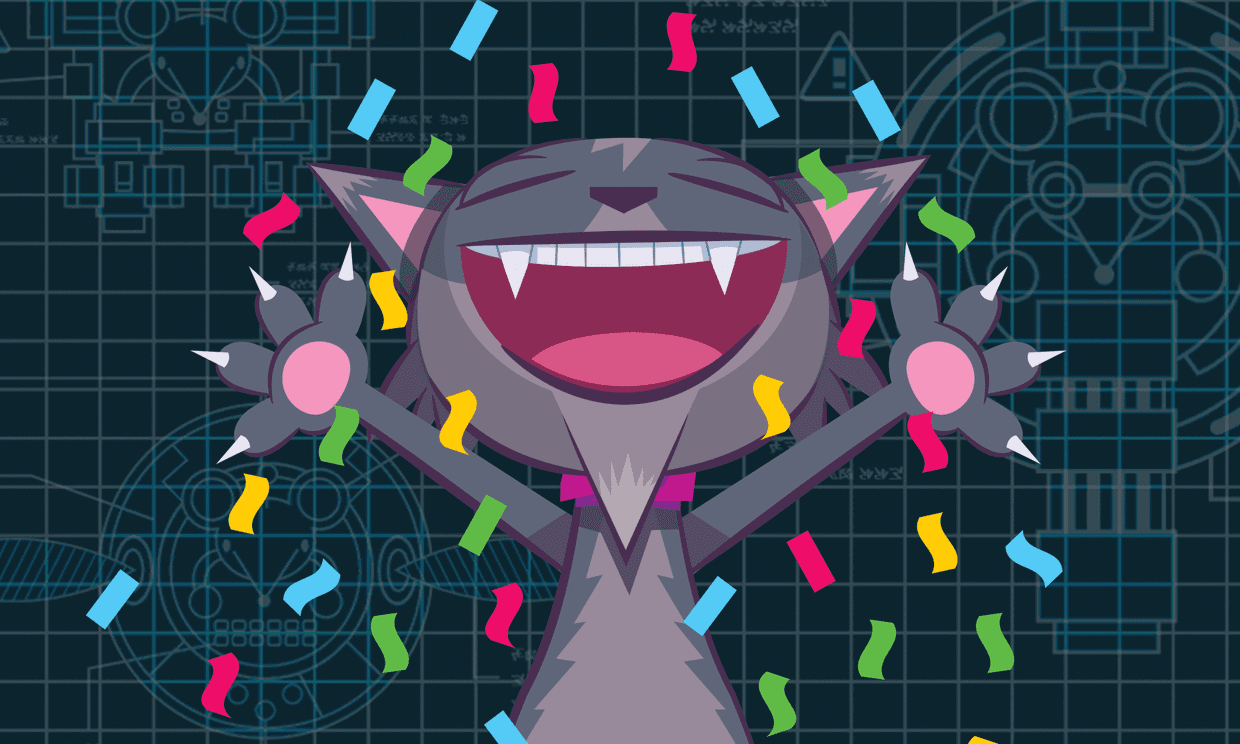
Scram Kitty – a beautiful game by Cardiff studio Dakko Dakko, inspired by the developer’s two cats, Hogarth and Percival
Save Scram Kitty is a critical hit shooter-platformer game that is on PlayStation 4 and PlayStation Vita. With this game you get to take control a rail-riding, laser-shooting young hero on a perilous quest to rescue his pet cat, Scram Kitty, kidnapped and imprisoned in the depths of the World’s biggest orbiting space laboratory, along with all of Earth’s cats.
With a unique control system that allows for full 360-degree platforming action and thrilling 2D shooting, Scram Kitty DX will see you glide along glowing rails, leap across chasms and create arcing streams of shots as you rid each stage of its rodent aggressors and rescue all the cats imprisoned within.
Here is a short clip of what the game looks like when you are playing it
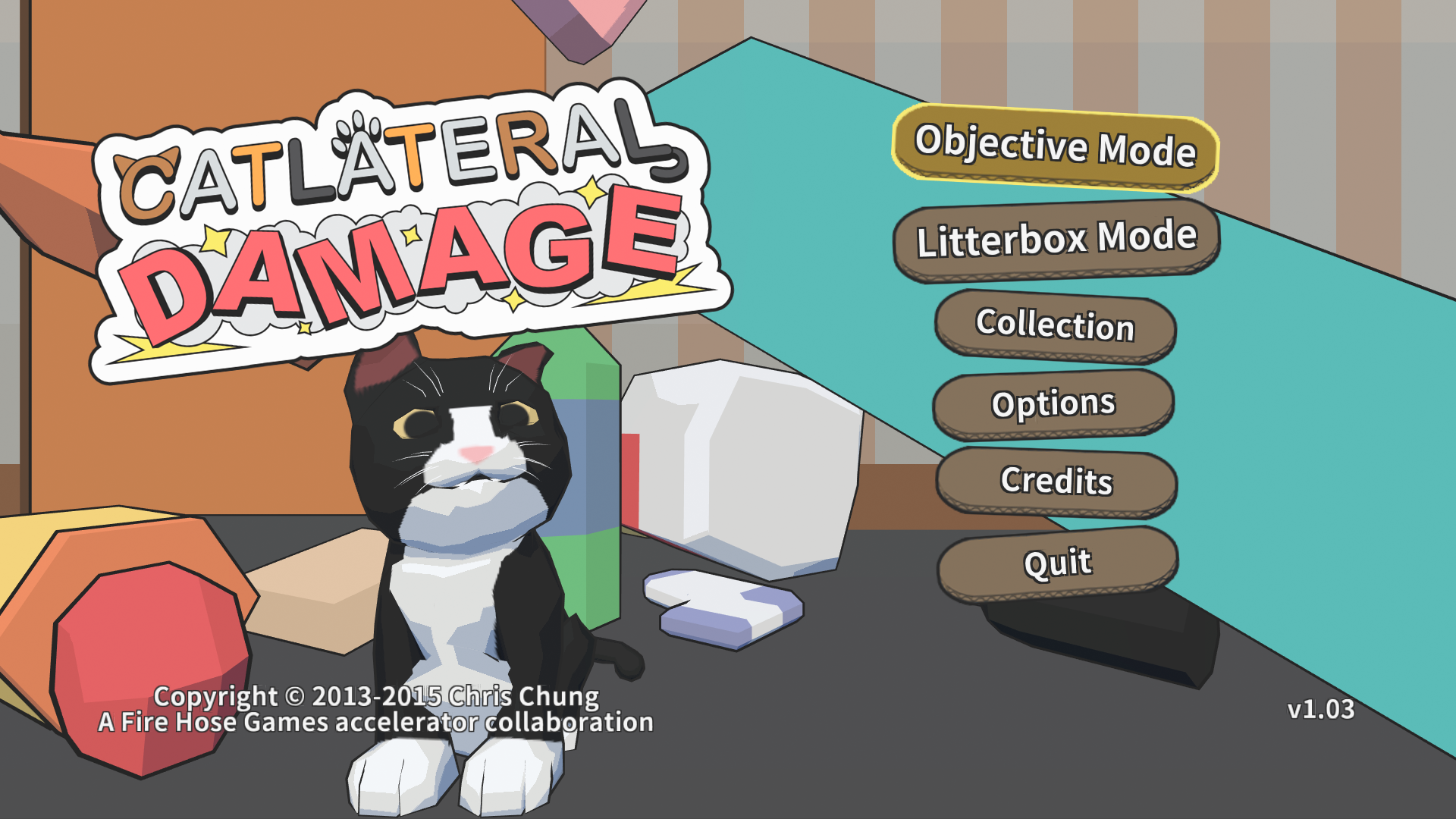
Catlateral Damage- from Chris Chung
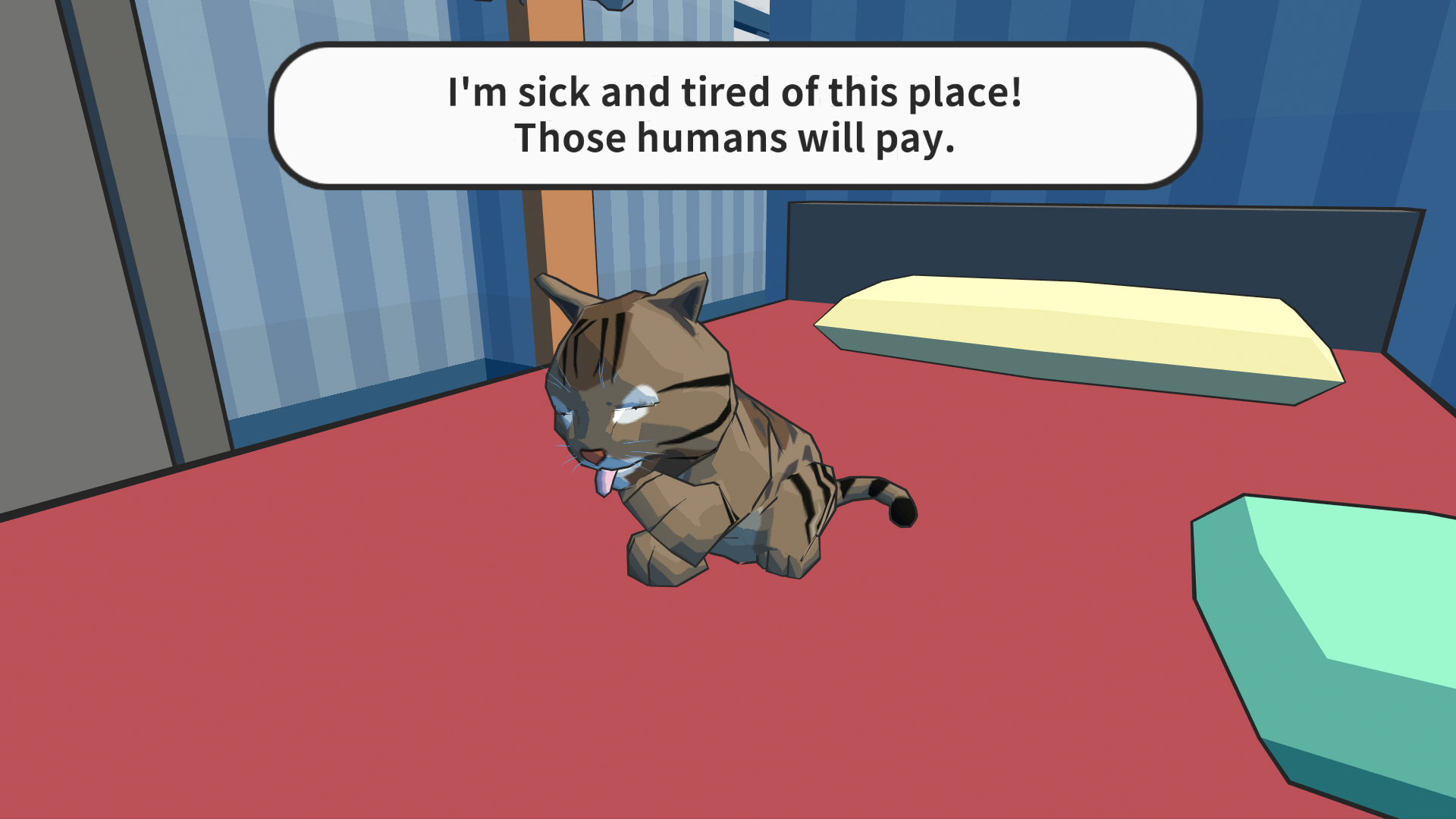
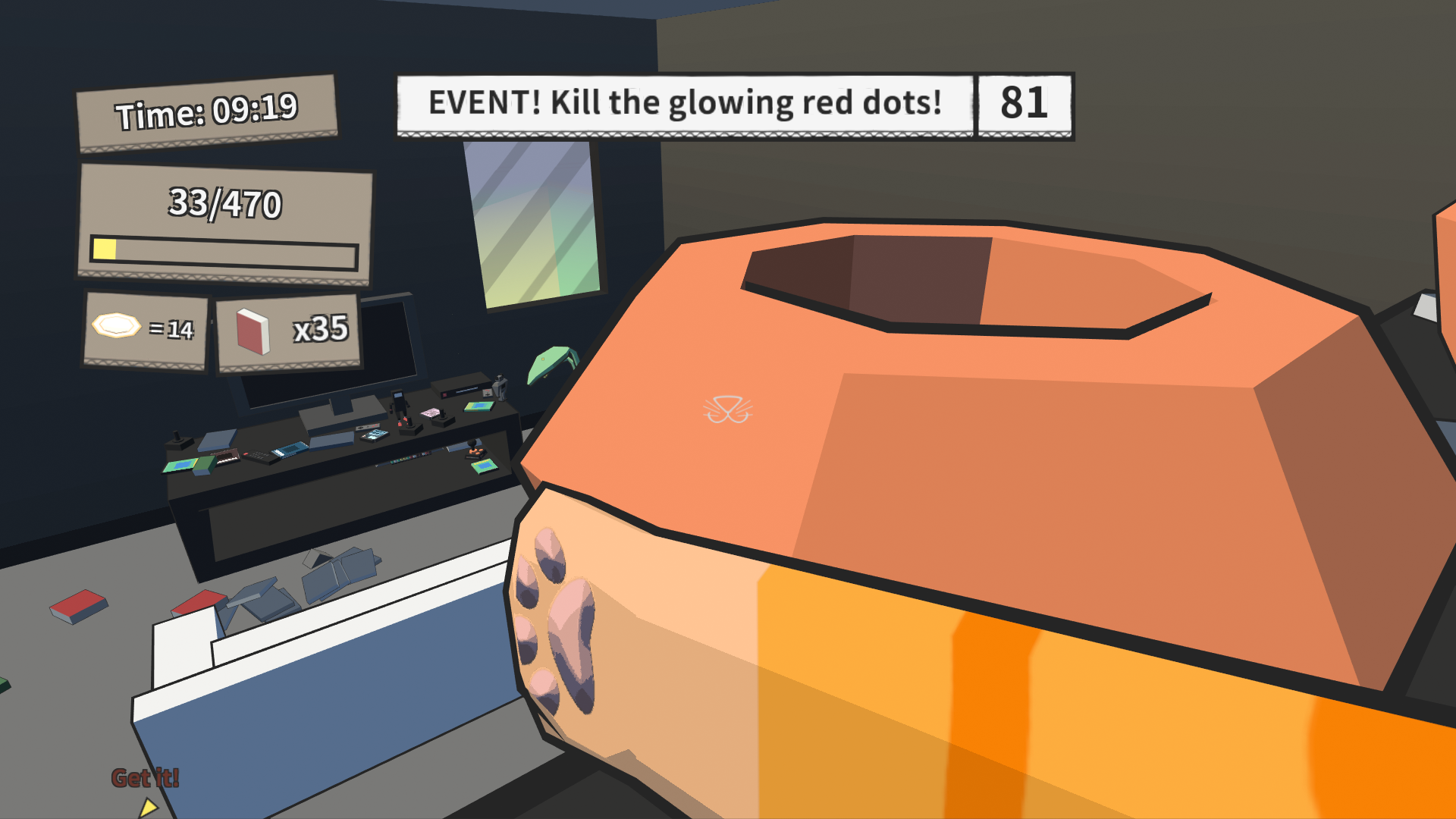
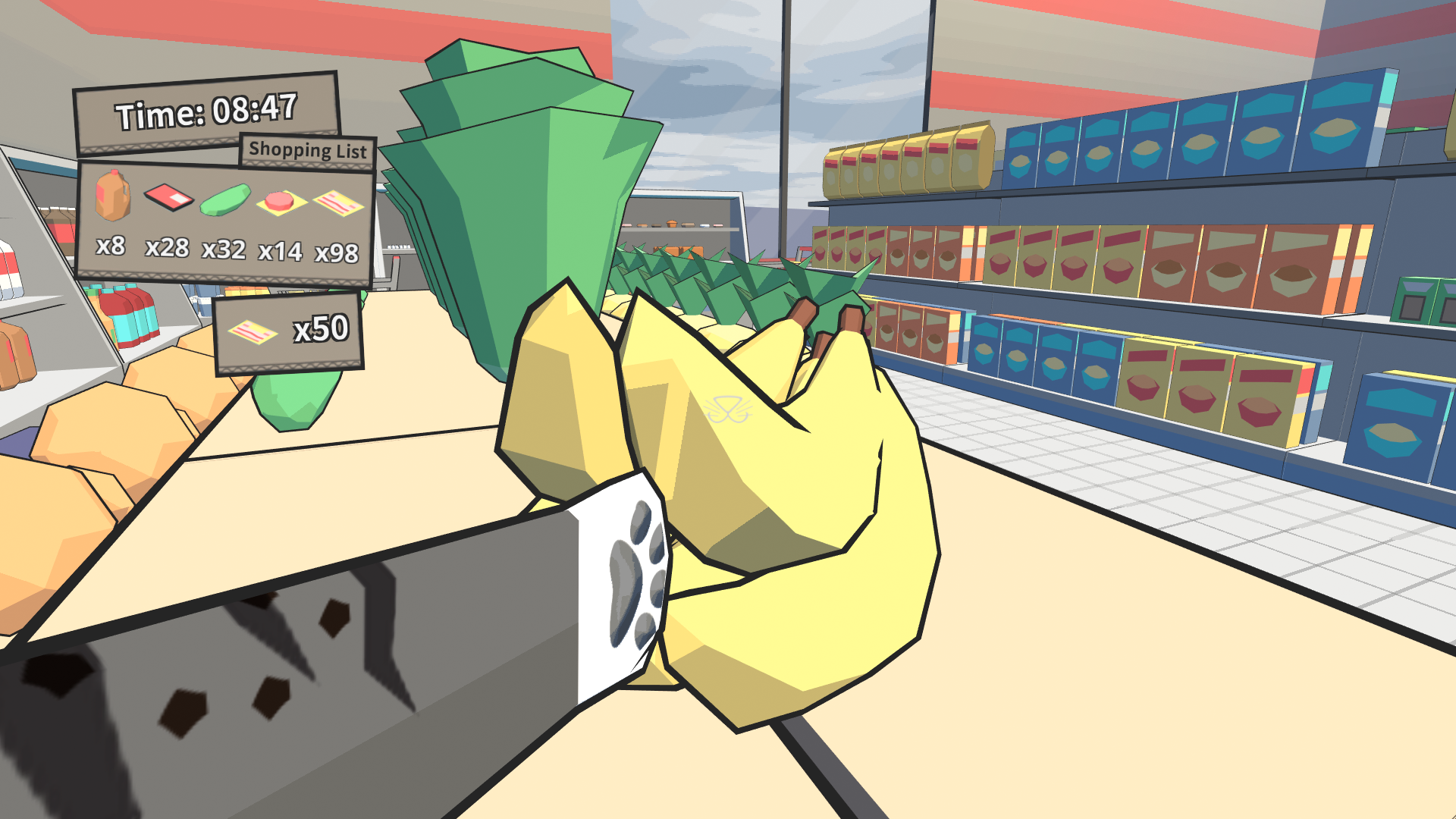
Catlateral Damage is a first-person destructive cat simulator where you play as a cat on a rampage, knocking as much of your owner’s stuff onto the ground as possible. See the world from the perspective of a cat! Walk, look around, jump, crouch, and use your paws as little weapons. It’s a highly original, experimental concept that was born out of a game jam and is based on a real-life mischievous cat, Nippy!
This is the infomercial for Catlateral Damage
A special about the developer behind Catlateral Damage, Chris Chung. Find out about his passion for cats and how he came to Fire Hose Games.
Game design document is the blueprint or a highly descriptive living design document from which a video game is going to built.
When creating and developing a game, game design documents are vital, even more so in teams that involve hundreds, if not thousands of people. It must be include a highly descriptive vision of the game as well as specific details of multiple contents in order for members of different teams to know exactly what they need to do. This is ultimately the plan that is required for the game to be implemented in the most efficient way possible.
The content in the game design document includes text, images, diagrams, concept art, or any applicable media to better illustrate design decisions. Some design documents may include functional prototypes or a chosen game engine for some sections of the game.
Although considered a requirement by many companies, a GDD has no set industry standard form. For example, developers may choose to keep the document as a word processed document, or as an online collaboration tool.
The purpose of design documentation is to express the vision for the game, describe the contents, and present a plan for implementation. A design document is a bible from which the producer preaches the goal, through which the designers champion their ideas, and from which the artists and programmers get their instructions and express their expertise. Unfortunately, design documents are sometimes ignored or fall short of their purpose, failing the producers, designers, artists, or programmers in one way or another. This article will help you make sure that your design document meets the needs of the project and the team. It presents guidelines for creating the various parts of a design document. These guidelines will also serve to instill procedures in your development project for ensuring the timely completion of a quality game.
General game development cycles are well documented and can only benefit teams of any size. At the core of the best game development practices lives an important living document: the design document, uniting engineers and artists under the same plan.
What I can say from researching the different game genres so far is there is so many new game genres appearing all the time from simulation, puzzle etc…
My favourite genre is simulation, puzzle games including Sims 4, Peggle and lots more that I can think of. I like to play these games because they challenge your skill level with the different levels in the puzzle games and you also get to create your character and play how you want to play and do what you want to do.
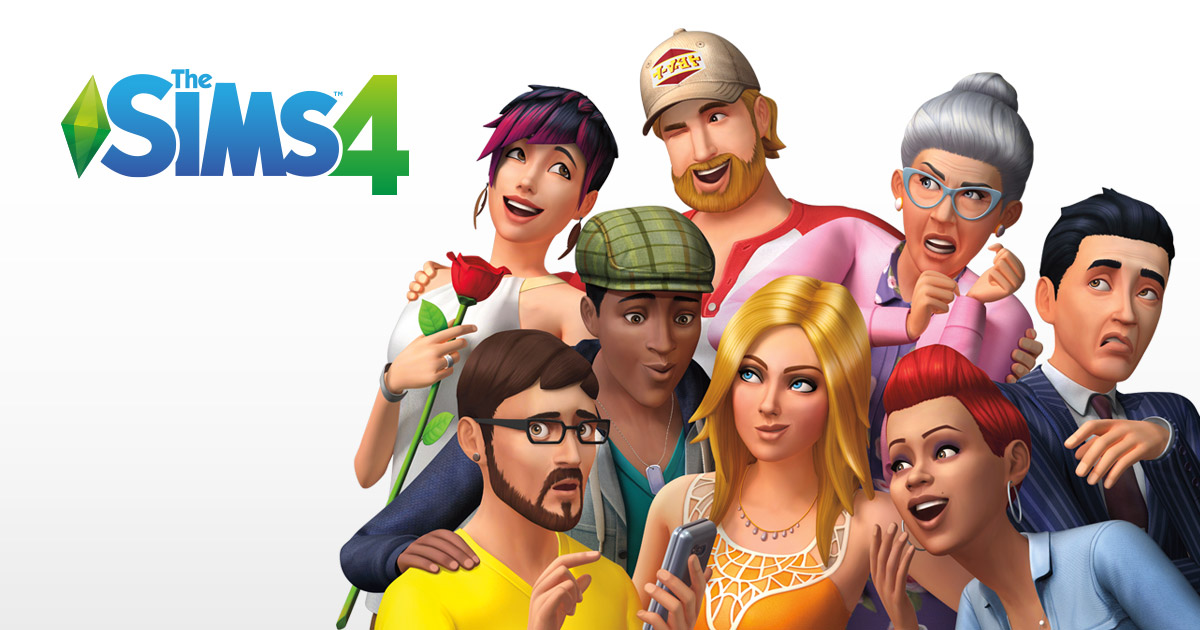
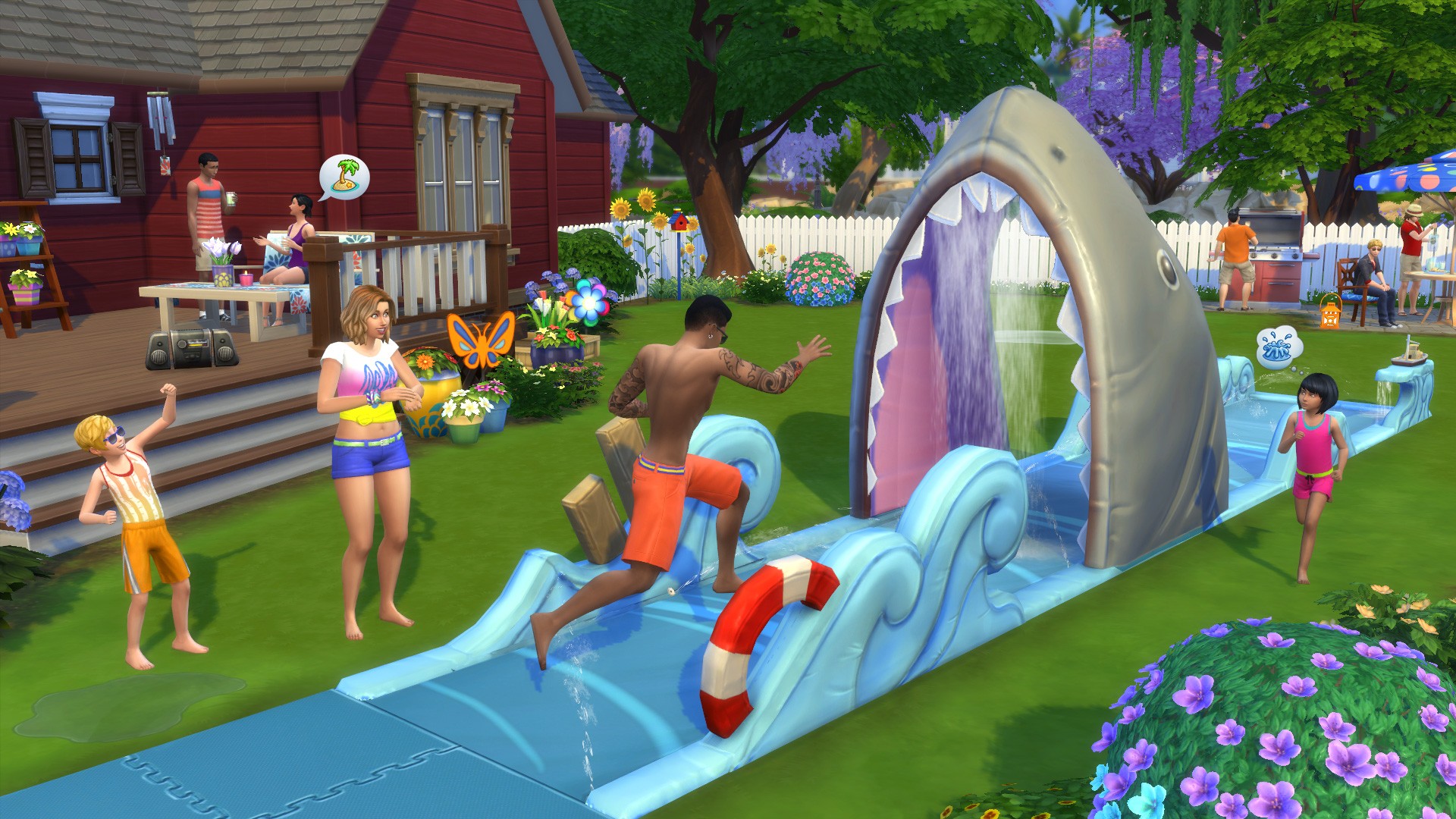
The Sims 4 is my favourite game to play because you can play this game for ages and never get bored of it and you also find things to do and different places to explore.
The Sims 4 is simulation and life based game that is designed to create your sims, design houses, play with their life. It’s a never-ending game that always gives you new quests to do. The aim of the game is to not let your sims die or death will come and get them and that’s means it is the end of the game. The Sims 4 can be played on PlayStation 4, Xbox One, Microsoft Windows, Macintosh operating systems. This is a game that all people could play but I think targeted audience is primarily 18-30 year olds.
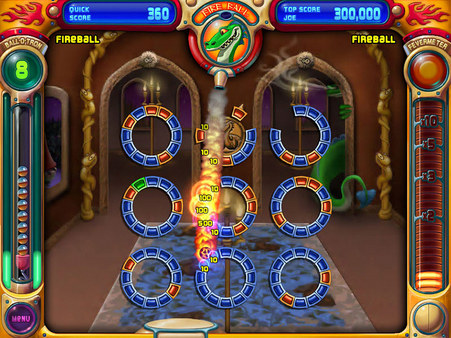
In addition I like to play is Peggle. Peggle is a puzzle game that you put your skills to the ultimate test with 75 challenges as you rack up bonus points and style shots you’ll smile about for weeks. Face off against friends or the computer in Duel mode. It’s an epic blend of luck and skill that msnbc.com calls one of the “Top 5 most addictive video games of all time!”. This is a game that can be played on Microsoft Windows, Macintosh operating systems, Xbox Live Arcade, PlayStation Network, Nintendo DS, Windows Mobile, iOS, Zeebo and Android. The age that people play Peggle is 15-40 year olds.
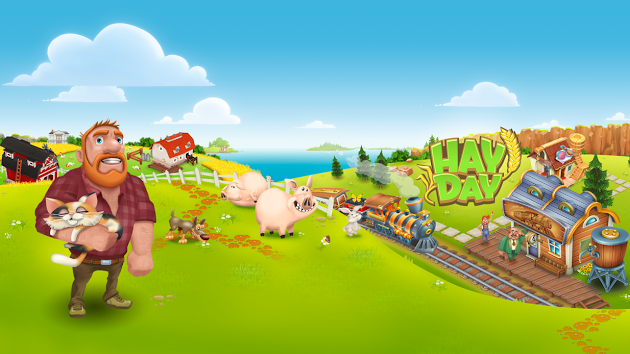
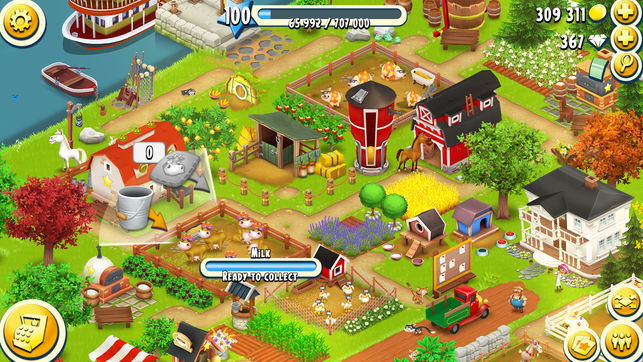
Idle game genre is a genre which is one that I starting to get back into as I didn’t play as much. As you didn’t have to be on game all the time as it still plays in the background and when dive back into it gives you the progress on what happened while you were away from the game. Hay Day was the first game Idle game I played. This game is about skills. Hay Day is about learning the lay of the land, tend to your crops, and trade goods with neighbours and friends. It’s a real special place where the crops never die even though it never rains. Sharing the farm with our quirky animals only makes things more fun. It can be a bit time consuming because of how is your farm going and the resources. This game is targeted for children and adults who like to run their own farm. But if your children are playing the game it is best to disable in-app purchases in settings.
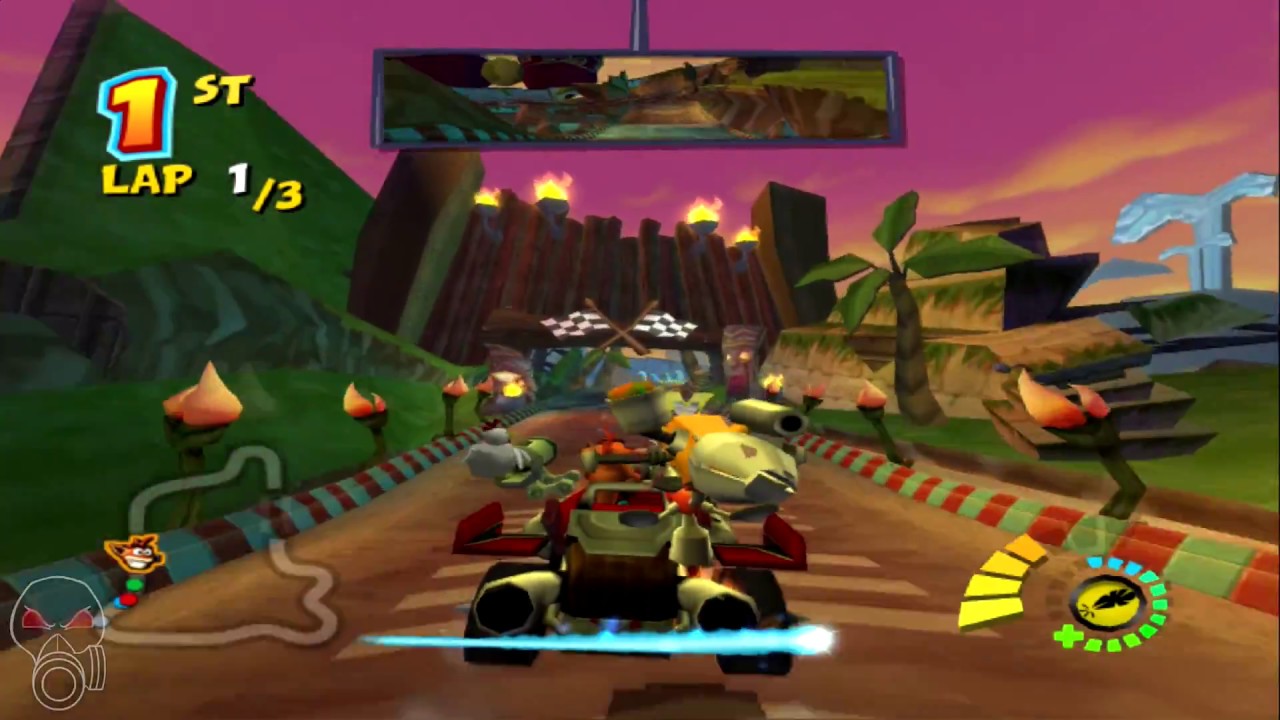
Racing game genre that is a board game and they have always been there. I have played many racing game in my time. The best racing game that I have played is Crash Tag Team Racing. The main highlight of Crash Tag Team Racing is the ability to merge two cars. As a result, one of the players shoots other cars, while the other one drives. This game can be played on PlayStation 2, GameCube, Xbox, PSP. This is a game that targets younger people or adults who are aged 13-30 years old
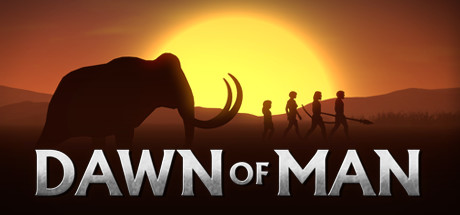
Strategy game is games that emphasize skillful thinking and planning to achieve victory. It can also emphasizes strategic, tactical, and sometimes logistical challenges. Dawn of Man Is one of the games that I would play in the future. Dawn of Man can be played on Microsoft Windows, Macintosh operating systems and Linux. This is a game that older kids could play and adults who are aged 18-30 years old
While I was looking at this website it was really interesting because this makes it possible for people even who are novices to build a custom walking robot using a 3D printer and of the self-motors. I think this will influence my work because I was learning about the different techniques that 3D has and it definitely will help me upskill and get better at animation
The user can specify the shape, size, and number of legs for the robotic creature, using intuitive editing tools to interactively explore design alternatives.
The system also ensures that the resulting design is capable of moving as desired and not falling down—it even lets the user alter the creature’s gait.
“Progress in rapid manufacturing technology is making it easier and easier to build customized robots, but designing a functioning robot remains a difficult challenge that requires an experienced engineer,” says Markus Gross, vice president of research for Disney Research.
“Our new design system can bridge this gap and should be of great interest to technology enthusiasts and the maker community at large.”
The design interface features two viewports: one that enables editing of the robot’s structure and motion and a second that displays how those changes would likely alter the robot’s behaviour.
The user can load an initial, skeletal description of the robot and the system creates an initial geometry and places a motor at each joint position. The user can then edit the robot’s structure, adding or removing motors, or adjusting their position and orientation.
Interaction Design students created a full-scale replica of 1968 semi-interactive installation “Colloquy of Mobiles”
I liked this website because it was talking about how independent, life-sized sculptural figures move and interact with each other, and with the public, through light and sound, exploring the implication and impact of a machine and human conversation. It may inspire me to explore my ways of doing different types of animations in the future
“People want to touch the surface of the forms. These are not ‘devices’ or ‘machines’ as we think of digital interfaces today. They have an organic presence as if they are biological, not technological. Pask always looked at interaction without distinguishing between devices, machines, people. It was all universal in some way.”
Two Interaction Design (IxD) studios have worked on the project since January. IxD students consulted historical descriptions, diagrams, photographs and films to create a detailed scenario for how the 1968 mobiles functioned, along with instructions for how to recreate them. The students also built 1/6-scale models, complete with modern digital software, sensors and motors.













 Liam's Bachelor Of Arts Blog