Research for 3D Animation Part 2

TOOL LETS BEGINNERS DESIGN AND PRINT WALKING ROBOTS 
https://www.futurity.org/robots-3d-printing-design-1045802-2/

While I was looking at this website it was really interesting because this makes it possible for people even who are novices to build a custom walking robot using a 3D printer and of the self-motors. I think this will influence my work because I was learning about the different techniques that 3D has and it definitely will help me upskill and get better at animation    

The user can specify the shape, size, and number of legs for the robotic creature, using intuitive editing tools to interactively explore design alternatives.

The system also ensures that the resulting design is capable of moving as desired and not falling down—it even lets the user alter the creature’s gait.

“Progress in rapid manufacturing technology is making it easier and easier to build customized robots, but designing a functioning robot remains a difficult challenge that requires an experienced engineer,” says Markus Gross, vice president of research for Disney Research.

“Our new design system can bridge this gap and should be of great interest to technology enthusiasts and the maker community at large.”

The design interface features two viewports: one that enables editing of the robot’s structure and motion and a second that displays how those changes would likely alter the robot’s behaviour.

The user can load an initial, skeletal description of the robot and the system creates an initial geometry and places a motor at each joint position. The user can then edit the robot’s structure, adding or removing motors, or adjusting their position and orientation.

Research for 3D Animation

Interaction Design students created a full-scale replica of 1968 semi-interactive installation “Colloquy of Mobiles”

I liked this website because it was talking about how independent, life-sized sculptural figures move and interact with each other, and with the public, through light and sound, exploring the implication and impact of a machine and human conversation. It may inspire me to explore my ways of doing different types of animations in the future 

“People want to touch the surface of the forms. These are not ‘devices’ or ‘machines’ as we think of digital interfaces today. They have an organic presence as if they are biological, not technological. Pask always looked at interaction without distinguishing between devices, machines, people. It was all universal in some way.”

Two Interaction Design (IxD) studios have worked on the project since January. IxD students consulted historical descriptions, diagrams, photographs and films to create a detailed scenario for how the 1968 mobiles functioned, along with instructions for how to recreate them. The students also built 1/6-scale models, complete with modern digital software, sensors and motors.

http://www.digitalmeetsculture.net/article/interaction-design-students-created-a-full-scale-replica-of-1968-semi-interactive-installation-colloquy-of-mobiles/

Colloquy Introduction – Paul Pangaro, Chair, MFA Interaction Design

Blender Week 3

Cat Character 

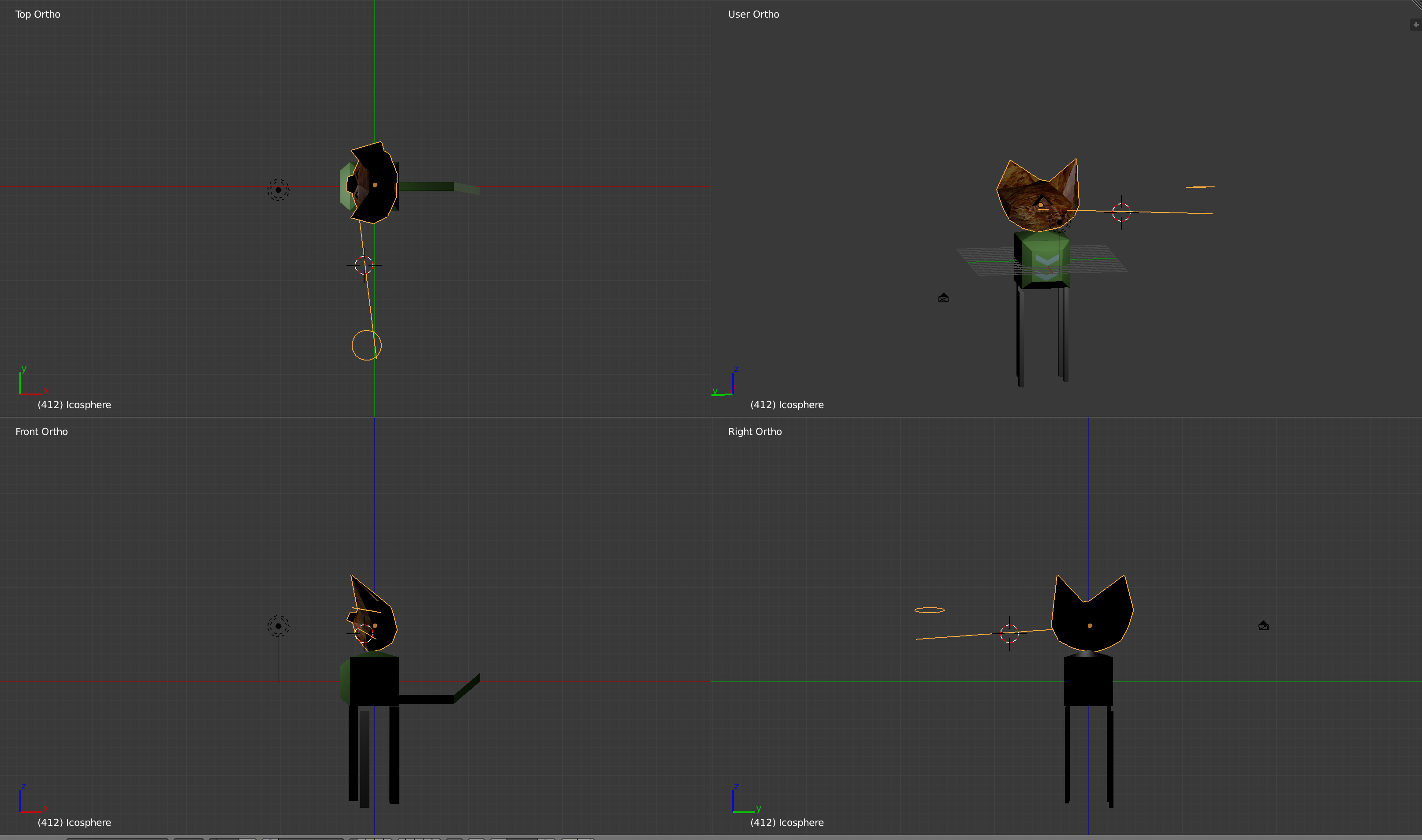
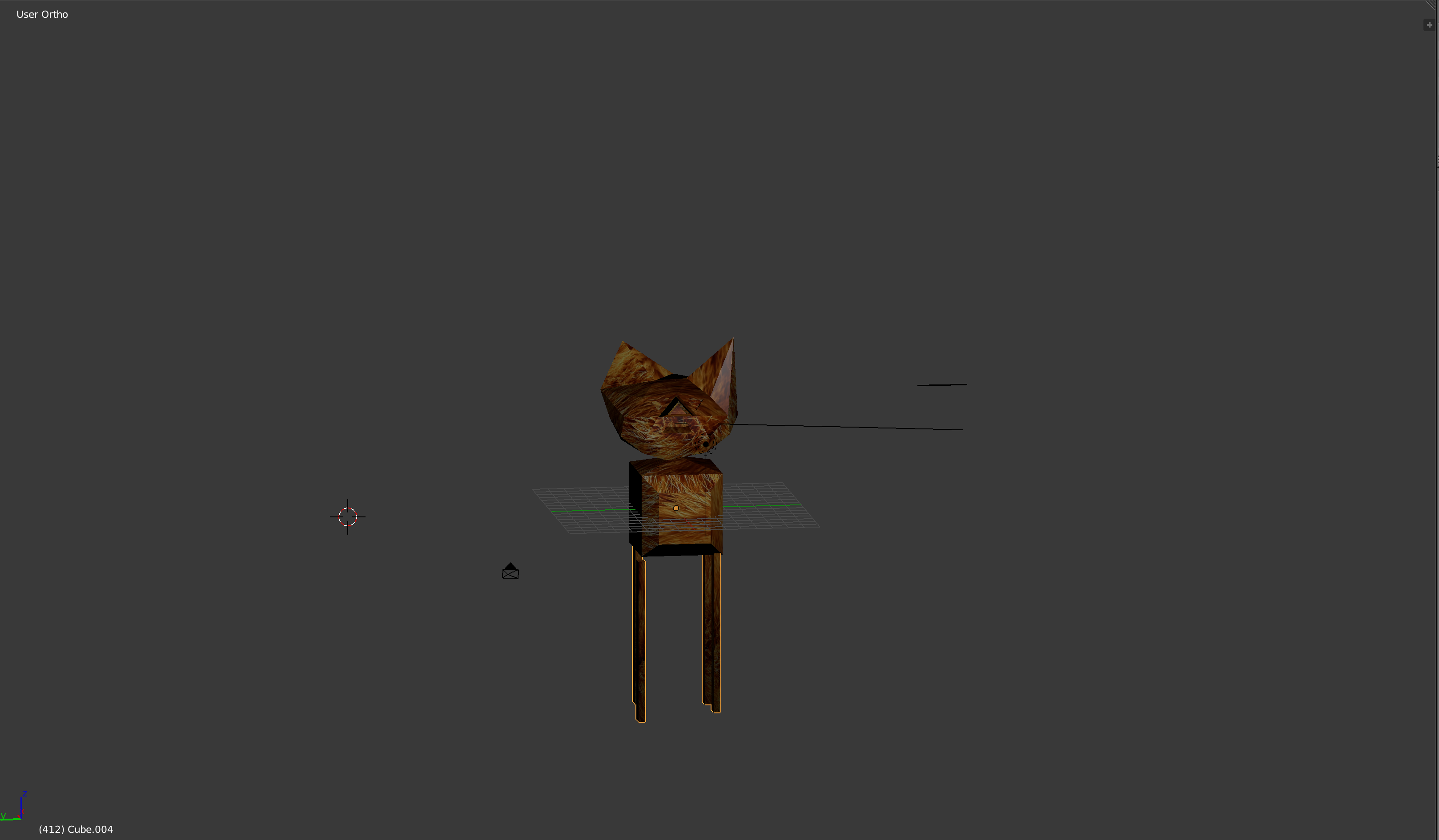
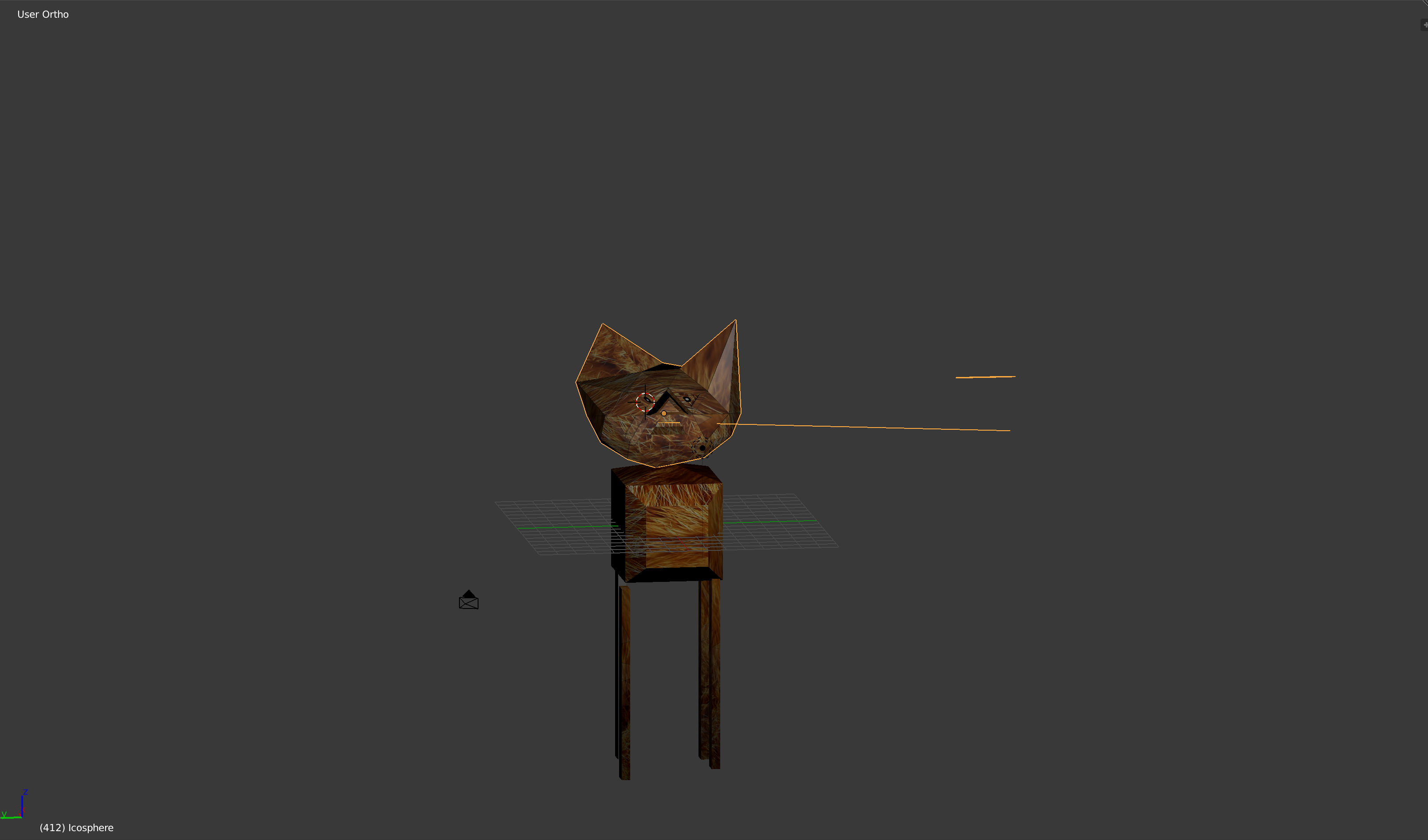
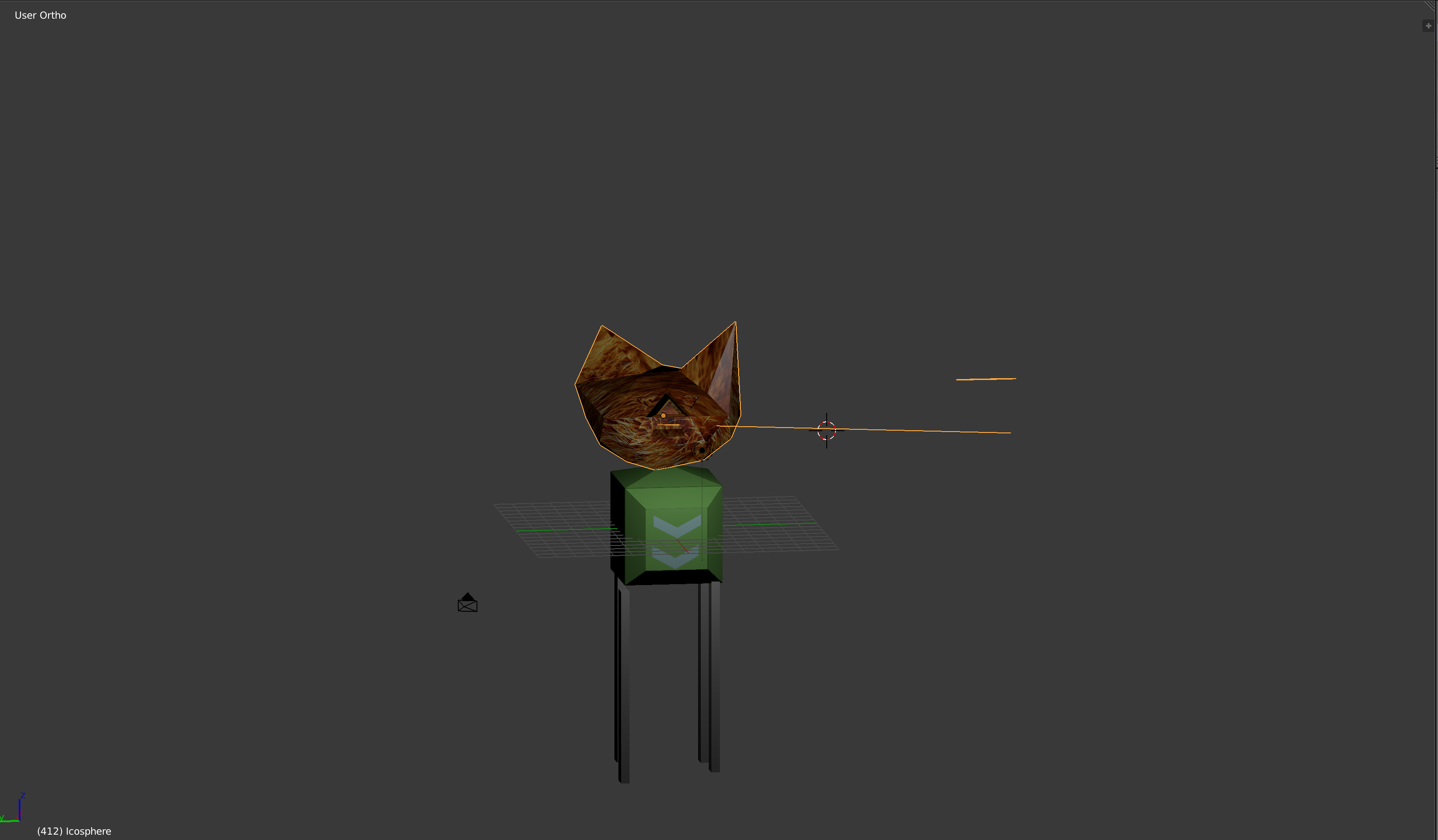
Last Thursday I have been creating a character that looks like a cat  

This is some the screenshots of what the progress looks like so far  

This is just testing the cat animation 

Create a free website or blog at WordPress.com.

Up ↑

Melissa

2020 NorthTec Student Blog

Art Admired

An art history student's journey through visual & material culture

creative mind of boysie117

Welcome to my mind of Digital Art

Liam's Bachelor Of Arts Blog

Welcome to my blog, come explore it

Design a site like this with WordPress.com
Get started